Comprehensive Water Damage Services: Protect Your Property From Future Issues
Extensive aquatic damage services play an essential role in shielding properties from ongoing risks. They encompass regular inspections and maintenance of roof and plumbing systems. Early identification of conceivable problems can stop significant damage. Furthermore, progressive methods like water removal and mold abatement address existing issues effectively. However, the most optimal strategies also include preventative precautions. Knowing these aspects can be fundamental for homeowners looking to protect their valuables and guarantee long-term safety. What should they focus on next?
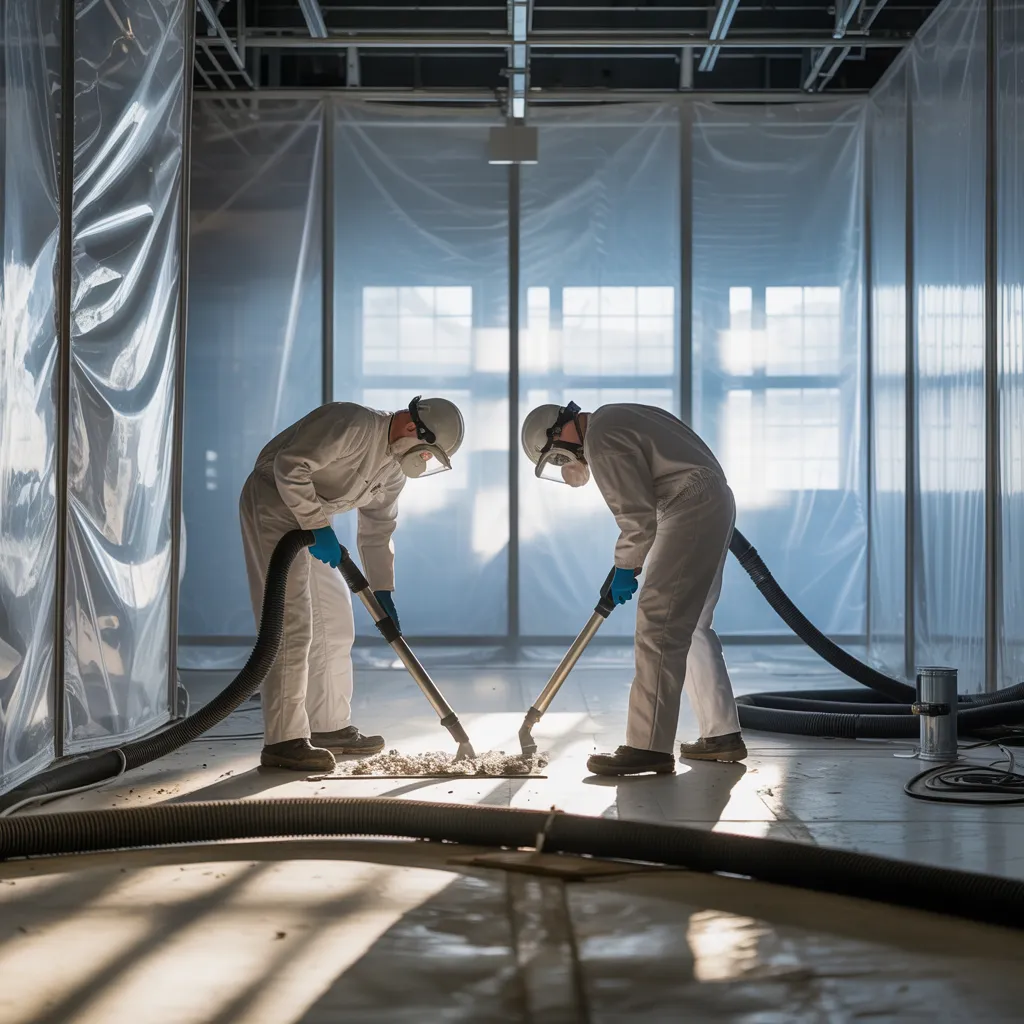
Why You Should Act Fast on Water Damage
Reacting promptly to water damage proves vital. Postponing action can spawn grave complications, encompassing structural damage, mold growth, and escalating restoration fees. Water can work into walls, flooring, and insulation, fostering a favorable setting for mold spores to expand within 24 to 48 hours. This not only endangers the property but also brings health risks to inhabitants.
Furthermore, the longer the water stays, the greater the harm occurs, possibly undermining the structural soundness of the building. Prompt action assists mitigate these consequences, maintaining both the property's value and the security of its occupants.
Furthermore, swift action can facilitate the recovery process, enabling homeowners to return to normal life sooner. Engaging professional water damage services immediately can ensure thorough evaluations and effective solutions, preventing further complications in the future. Prioritizing swift action is critical for safeguarding both belongings and health.

What Causes Water Damage and How to Detect It Soon?
Water damage may arise from various sources, making early diagnosis crucial for mitigation. Common causes include plumbing leaks, roof leaks, and natural disasters such as heavy rain or floods. Aging infrastructure, such as worn-out pipes or compromised roofing materials, can also contribute greatly to water intrusion.
Home owners ought to be vigilant about spotting signs of water damage, which may feature stains on walls or ceilings, a musty smell, and mold growth. In addition, peeling paint and warped flooring are indicators that moisture may be present. Consistent inspections of plumbing systems and roofing can help catch issues before they escalate.
Early identification is vital; addressing potential sources of water damage quickly can reduce costly restoration and preserve the integrity of the property. By understanding the causes and identifying the signs, property owners can take preventive action to safeguard their homes against water damage problems.
Essential Solutions for Successful Water Damage Restoration
When a building experiences flood damage, prompt and professional restoration solutions are vital for successful recovery. Essential services include water extraction, which involves removing standing water to prevent additional harm. Following this, comprehensive drying and dehumidification methods are important to remove moisture from buildings and materials. Restoration experts assess the level of damage and decide on necessary repairs, whether it means replacing flooring, drywall, or insulation.
Additionally, mold removal is essential, as mold can grow rapidly in damp conditions, presenting health risks and further compromising the property. Advanced techniques, such as thermal imaging and moisture mapping, assist identify hidden water sources and avoid recurrence. Finally, deodorization and sanitization services ensure that any lingering odors and contaminants are removed, returning the property to a safe and habitable condition. Together, these important services create a comprehensive approach to effective water damage restoration, safeguarding properties from long-term issues.
How to avoid Future Water Damage
Effective water damage restoration highlights the importance of preventative steps to prevent future occurrences. Property owners should regularly inspect their roof systems, rain gutters, and drainage pipes to verify they are clear of debris and functioning properly. This stops water accumulation that can lead to leaks and structural damage. Furthermore, maintaining plumbing systems by checking for leaks and confirming proper drainage can greatly reduce the risk of water damage.
Installing water pumps in cellars and using water-resistant materials during renovations can also provide an extra layer of defense. Moreover, homeowners should consider yard modifications, such as grading soil away from the foundation, to direct water runoff effectively. Regular upkeep and timely repairs are essential for safeguarding properties against potential water damage, thereby preserving their integrity and value. Taking these steps can help create a resilient environment that minimizes future risks associated with water intrusion.
A Guide to Finding the Most Suitable Water Damage Service Provider
How might homeowners ensure they choose the most suitable water damage contractor? First, they should examine potential companies thoroughly, verifying for certifications, licenses, and insurance. A credible provider should possess professional-grade certifications, such as those from the Institute of Inspection, Cleaning and Restoration Certification (IICRC).
Subsequently, examining client testimonials and reviews can offer perspective on the company's trustworthiness and service standards. Property owners should also ask about the scope of services available, making sure they encompass everything from initial evaluation to complete restoration.
Additionally, securing multiple estimates can assist with evaluating costs and understanding the scope of services provided. Finally, assessing the provider's response time is essential; a rapid response can reduce further harm. By considering these factors, property owners can make informed decisions, ensuring their home receives the highest quality attention in times of crisis.
Frequently Asked Questions
What Is the Average Price of Water Damage Remediation?
Repair costs for water damage typically fall from $1,000 to $5,000, based on the severity of harm, location, and required services. Additional factors, such as materials and labor, can impact the final price considerably.
Does My Insurance Cover Water Damage Repairs?
Protection coverage for water damage restoration work often is determined by the policy specifics. Generally, if the damage originates from a insured event, such as a burst pipe, insurers may grant pecuniary help for reconstruction expenses.
How Much Time Does Repairing Water Damage Require?
Restoration work for water damage typically takes one to five days, determined by the severity of damage, the materials that are affected, and the drying process needed. Delays may occur if major repairs or mold remediation are essential.
Can I Manage Water Damage Removal Without Outside Assistance?
Tackling water restoration work by yourself is workable, but it often demands specialized knowledge and equipment. begin here Incomplete cleaning can produce mold growth and structural issues, establishing expert support a safer and more effective solution.
What Medical Hazards Result From Water Damage?
Water damage creates multiple health risks, including mold growth, which can bring about respiratory issues, allergies, and infections. Contaminated water may also support bacteria and viruses, spawning gastrointestinal illnesses and other serious health complications.